
Near-Zero Porosity Die Casting
Porosity is a common challenge in conventional die casting and can significantly affect mechanical strength and thermal performance. Simone’s process is designed to minimize gas entrapment and internal defects, producing high-integrity aluminum castings suitable for demanding engineering applications.
This capability supports:
- Improved structural reliability
- Better thermal conduction
- Stable machining performance
Near-zero porosity casting is particularly important for thermal components and precision electronic housings.
High Thermal Conductivity Aluminum Casting
In addition to structural alloys, Simone supports high-thermal-conductivity aluminum die casting alloys designed for heat dissipation applications.
Typical thermal conductivity:
- 160–180 W/m·K for high thermal aluminum alloys
- ~96 W/m·K for conventional alloys such as A380 / ADC12
This significant improvement in thermal conductivity makes these materials well suited for:
- Heat sinks
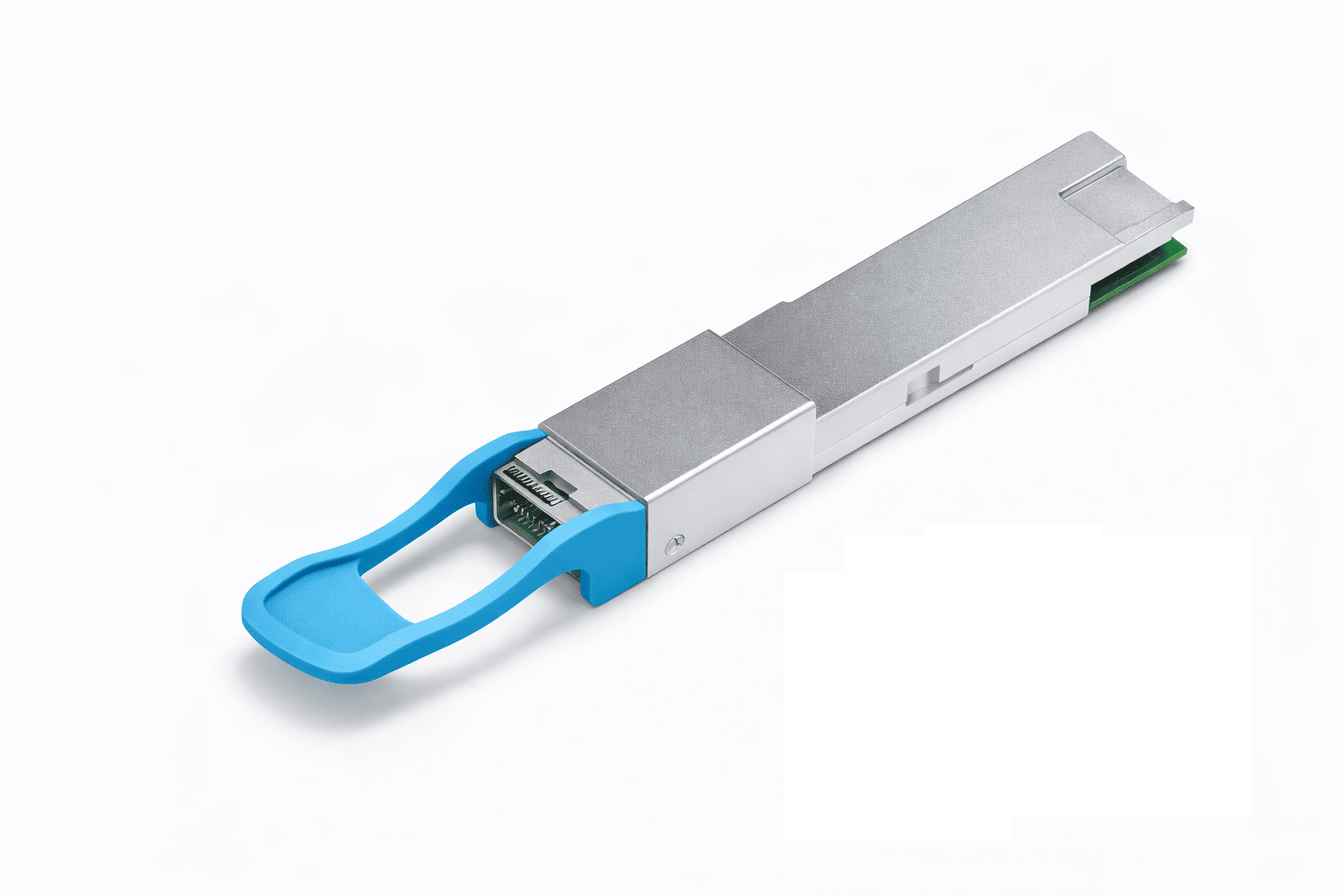
- Optical module housings
- Power electronics cooling components
- Data center hardware
By combining high thermal aluminum alloys with low-porosity die casting, Simone enables efficient manufacturing of high-performance thermal components.
Black Anodizing Capability
Conventional die casting alloys typically contain high silicon content and internal porosity, which makes anodizing difficult and often results in poor surface appearance.
With our controlled casting process Simone is able to achieve high-quality black anodizing on die cast aluminum components, enabling both improved corrosion resistance and premium surface finish.
This capability is particularly valuable for:
- Mechanical housings
- Thermal components
- Electronic enclosures requiring anodized surfaces
Integrated Manufacturing Support
Die cast components can be further supported by Simone’s in-house CNC machining and downstream manufacturing processes, enabling customers to move efficiently from prototype development to mass production.


Applications
Our die casting solutions are commonly used in:
- Optical module housings (OSFP / ELSFP)
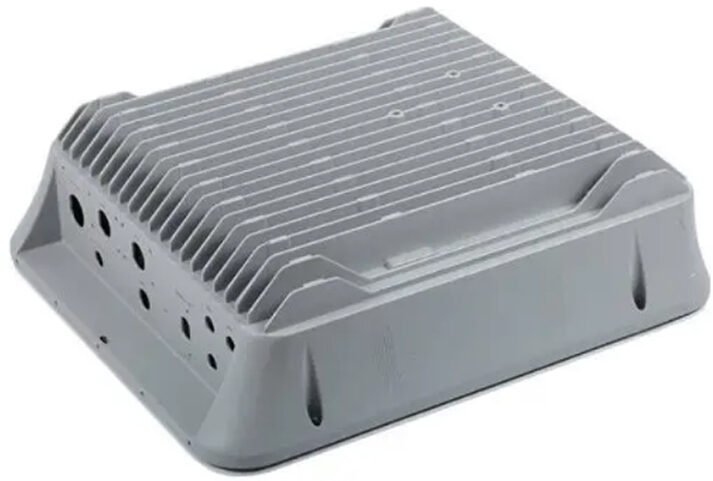
- Heat sinks and thermal modules
- Telecommunications hardware
- Industrial electronic enclosures